Food & DairyAgricultureRetail FMCGConstructionWaste and environmentalGovernment and defence
General Freight & LinehaulLocal and Regional DistributionWarehousing ServicesDedicated LogisticsCold ChainShipping Container & Wharf LogisticsBulk Environmental & Waste Services
Safety & ComplianceInnovation & TechnologySustainability & ESGOur Fleet (Euro 6, 
Safety Tech, Innovation)
Case Studies
Insights
About usCareersOur HistoryFAQ’S

Proin ultrices justo sit amet purus condimentum

CONTACT US
Wettenhalls
News

Sustainability Initiatives Reduce Energy Usage & CO2 Emissions

Wettenhalls has switched to energy-efficient LED lighting at its Geelong, Brooklyn and Colac sites, cutting energy usage by up to 77% and reducing annual CO2 emissions by over 267 tonnes.

December 18, 2017
1 Minute Read
Sustainability Initiatives Reduce Energy Usage & CO2 Emissions

At Wettenhalls we are always looking for new ways to reduce our environmental footprint. We continue to invest in new fuel-efficient vehicles and more aerodynamic trailers as part of our equipment program.

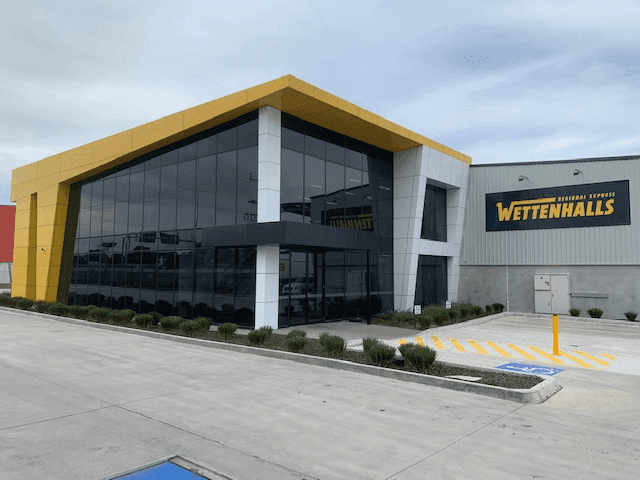
This year we focused on greening our warehouses and workshops, which had metal halide lighting. We have moved to Light Emitting Diode (LED) lights in the Geelong, Brooklyn and Colac depots and the newly commissioned Colac Distribution Centre.

LED lights are much more energy efficient than traditional metal halide lights. LED lights dramatically reduce the environmental impact, as well as creating a safer workplace for all staff as they are free of toxic chemicals and are 100% recyclable.

By moving to LED lights, we will see a:

  • 71% energy usage reduction in Brooklyn. Annual CO2 emissions will reduce by 70.73 tonnes.
  • 72% energy usage reduction in Colac, with an annual CO2 emissions reduction of 45.81 tonnes.
  • In Geelong, introducing LED lights will result in a 70% energy usage reduction and annual CO2 emission reduction of 52.33 tonnes.
  • Our new Colac Distribution Centre sees the greatest results with an energy usage reduction of 77% and a CO2 reduction of 98.69 tonnes.